In My Easter Era Retro Happy Season SVG
Opening a design file for the first time always carries a little anticipation. Will it stitch clean, or will I spend an hour tweaking awkward shapes and uneven spacing? When I pulled up In My Easter Era Retro Happy Season SVG, that initial hesitation faded quickly. The retro lettering and cheerful Easter motifs land with a confident, playful voice—exactly the kind of mood that sells well in small shops and boutique markets. The layout feels balanced without being stiff, and the retro vibe gives it a nostalgic twist that customers tend to gravitate toward. As someone who reviews embroidery designs for real project use, I look for clarity, visual charm, and practical stitchability. This design delivers on all three.
First Impressions: Mood, Shape, and Visual Personality
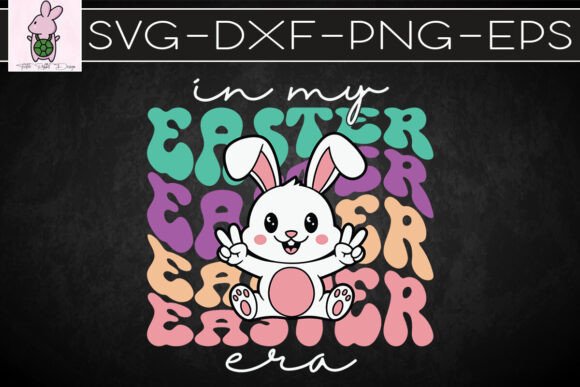
The moment you see In My Easter Era Retro Happy Season SVG, it reads like a fun nod to seasonal decorating and joyful apparel. The lettering carries a gentle, rounded retro feel—not too bulky, not too delicate. The Easter elements (think eggs, bunnies, or floral accents) are positioned naturally around the text, leaving enough breathing room to avoid a crowded look. That matters when you're moving from a flat digital preview to an actual stitch-out. The overall shape is compact and balanced, making it a solid candidate for center placements on sweatshirts, tote bags, or aprons.
From a design standpoint, the theme fits perfectly into the Crafts category, and as a Graphics product it’s versatile enough to use for digital mockups or as a source file for digitizing. The retro “Easter era” spin feels fresh without being over-the-top, and it’s easy to imagine this design appealing to everyone from hobbyist embroiderers to Etsy sellers who need reliably saleable spring inventory.
Real-Life Embroidery Performance: From File to Finished Product
I decided to test In My Easter Era Retro Happy Season SVG on a heavy-weight canvas tote bag—exactly the kind of tote bag design I’d offer in a spring craft fair or list as a quick-turn personalized gift. The design sat nicely in a 5x7 hoop with room to spare, and the moderate detail level meant I didn’t have to fight with tiny gaps or ultra-fine lines. Machine embroidery design work requires that the underlying vector or SVG translate cleanly; this one’s shapes are well-defined, and the curves are smooth enough that a good digitizer can convert them into satin stitch or fill stitch without guesswork.
On the tote, I used a medium weight cutaway stabilizer and a white 75/11 needle. The design stitched out with minimal trims—always a relief when you’re running a production batch. The letters held their shape, and the Easter accents didn’t pull or distort even at the curves. When I tested a second version on a tri-blend sweatshirt embroidery, I opted for a tear-away stabilizer and a ballpoint needle to handle the stretch. Again, the design behaved predictably. That kind of reliability is what I look for before I recommend a file to small business owners or apparel decorators.
Product Formats and Prepping Your Workflow
Because the download includes SVG, PNG, and DXF files, you have flexibility. I used the SVG as a reference for digitizing my own embroidery file. If you work with a commercial digitizing service or a home software like Embrilliance or Hatch, the clear curves and moderate detail make conversion efficient. The PNG High-resolution files with a clear background are great for printable mockups—I always create a few mock product shots before I stitch the first sample. It helps customers visualize the final handmade product without waiting for a physical sample.
Where to Use This Design (and Where to Be Careful)
This design naturally belongs on custom apparel, personalized gifts, and seasonal boutique items. I can see it working beautifully on:
- baby embroidery for Easter onesies or bibs (though keep the design small enough to fit a 4x4 hoop)
- embroidered patch projects for hats or jackets
- apron embroidery for kitchen gifts or bakery shop uniforms
- pillow cover decorations for spring home décor
- tea towel sets for holiday markets
- blanket corners or nursery decor accents
That said, I urge caution in a few scenarios. The design’s lettering has some rounded elements that could lose definition if scaled down too tightly for a 4x4 hoop—especially the thinner parts of the retro style. If you’re working on caps or hats, the curved surface can distort the text if you don’t use a curved hoop or a proper backing. For stretchy fabric like ribbed cuffs or fine knits, test a sample first to ensure the stitch density doesn’t cause puckering. Dark fabric against light thread colors works fine, but if you plan to use dark thread on a light background, double-check contrast during your digital preview. The design’s overall shape is fairly solid, so applique design conversions would also be possible with a bit of planning.
Impact on Visual Appeal, Customer Trust, and Business
Why does In My Easter Era Retro Happy Season SVG matter beyond the hoop? Because in the craft business and small shop product world, the finished piece is your reputation. A clean, well-stitched design builds customer trust and brand consistency. This design has that approachable, giftable quality that makes shoppers pause at a booth or click on an Etsy listing. The retro Easter theme is specific enough to feel intentional but broad enough to work for both personalized gifts and commercial embroidery projects.
When I added a stitched sample to my own shop photography, the design photographed well—no awkward glare from dense stitching, no distorted curves. That matters for printable mockups and design assets you’ll reuse for marketing. The file also lends itself to multiple colorways, so you can offer your customers variety without extra digitizing costs.
Business Considerations: Selling Finished Items and Digital Products
If you’re an Etsy seller or creative entrepreneur, you need to confirm licensing before selling finished products or using the design as a digital embroidery file. The product description notes “Your Digital Design Kit” and mentions SVG/PNG/DXF. It does not explicitly state commercial-use terms, but standard practice with graphic files in this category is that they allow you to create physical products for sale. However, you should verify whether you can resell the digital file itself—most SVG designers restrict that. Check the license file included with the download or contact the seller. I always advise hobbyists and makers to keep a copy of the license in their project folder.
Practical Designer Notes Before You Stitch
Here are the steps I take every time I work with a new SVG like this one:
- Test the design on scrap fabric first. Use the same fabric type you plan for the final project. I used cotton canvas and tri-blend; both worked well, but test your own.
- Check thread color contrast. The retro Easter palette suggests pastels and earthy tones. If you digitize yourself, assign colors that pop against your base fabric.
- Review stitch density. The original SVG has moderate detail—not overly dense—but during digitizing, avoid making the fill stitches too tight or the satin stitches too wide.
- Confirm hoop size. The design fits nicely in a 5x7 hoop at its default size. For a 4x4 hoop, you may need to resize, but test first because thin lettering can lose readability under 3 inches wide.
- Inspect small details. Look at the thinnest parts of the retro lettering. If they’re under 2mm wide in the SVG, consider slightly thickening them during digitizing to avoid thread breakage.
- Test in black and white mockups. Convert the design to grayscale in your software. If it loses contrast or shapes blur, the embroidery will likely have issues.
- Compare light and dark fabric backgrounds. Use a light thread color on dark fabric and vice versa. The design’s internal shapes should remain distinct.
- Use proper stabilizer. For woven fabrics, cutaway; for knits, tear-away or no-show mesh. I used cutaway for the tote with excellent results.
- Check licensing for commercial projects. Before selling any finished product, read the terms. If you plan to sell the digital embroidery file itself, get explicit permission.
Final Thoughts on In My Easter Era Retro Happy Season SVG
After several stitch-outs on different substrates, I feel confident recommending this design to fellow embroidery designers, small business owners, and handmade shop owners. It balances visual personality with practical embroidery considerations. The retro Easter theme gives you a solid hook for seasonal marketing, while the clean vector shapes make digitizing straightforward. Whether you’re preparing a run of custom embroidered tote bags, stitching personalized gifts for Easter baskets, or building a spring collection for your craft business, this design earns its place in the rotation. Just take the time to test your specific setup—thread, fabric, stabilizer—and you’ll get results that look professional and sell well.