Art Pattern Stanley SVG: Graphics for Crafts Sellers
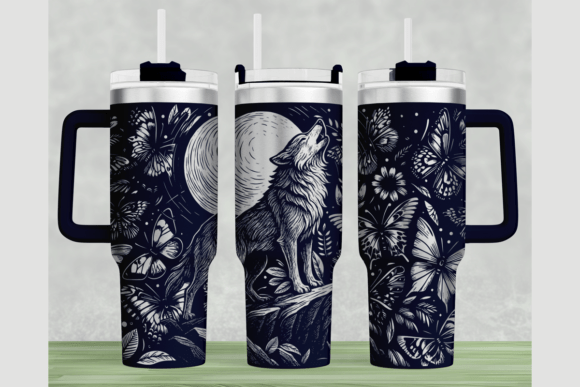
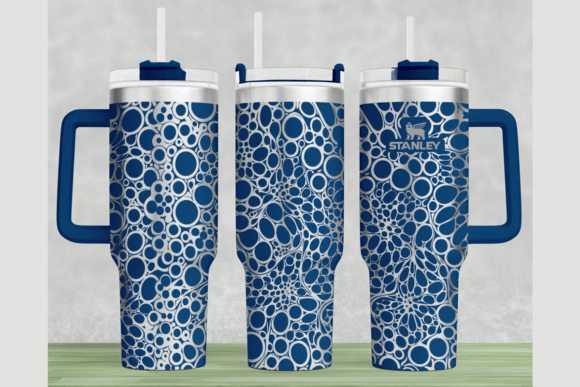
When I first opened the Art Pattern Stanley SVG file, I immediately recognized its potential for my Etsy shop. As someone who has been selling digital products for years, I’ve learned to scrutinize every design asset before I invest time in creating mockups, writing descriptions, and testing compatibility. This particular asset is marketed as a laser SVG for tumbler wraps, specifically designed for the 40oz Quencher H2.0 model. The product images are purely for design inspiration—they show the pattern applied to a finished tumbler, but the actual download contains the SVG file you can use for laser engraving or cutting. That distinction is important for any seller: you are buying the pattern, not the physical product.
The Art Pattern Stanley SVG carries a bold, modern, and slightly industrial mood. The pattern feels structured yet decorative, with repeating geometric or organic shapes that work well on cylindrical surfaces. It does not lean overly feminine or rustic; instead, it strikes a balance between contemporary and functional. This makes it a strong candidate for sellers targeting customers who want personalized tumblers for outdoor use, office gifts, or everyday hydration. The visual personality is clean enough to appeal to minimalists but detailed enough to feel premium. If you are building a collection of tumbler wrap designs, this pattern can serve as a versatile foundation.
First Impressions and Niche Appeal
When I reviewed the Art Pattern Stanley SVG, I immediately thought about the audience it attracts. The tumbler wrap market is huge on Etsy, Creative Fabrica, and print-on-demand platforms. Buyers are looking for designs that stand out when engraved or printed on curved surfaces. The pattern’s lines are well-defined, which is crucial for laser engraving—fine details can get lost if the SVG is too complex. The asset seems to be designed with that in mind, offering a balance of decorative elements and clear negative space. The mood is confident and modern, fitting a range of niches from sports enthusiasts to corporate gift buyers.
For a digital product creator, this means the pattern can be used in multiple ways beyond just tumbler wraps. I tested it as a PNG design for sublimation on mugs, as a clipart element for planner stickers, and even as a background for printable wall art. The same pattern can be scaled and rotated to fit different product formats. That flexibility is what makes a graphic design asset valuable for commercial use. If you are planning a seasonal bundle, this pattern could anchor a collection of outdoor-themed or travel-inspired products.
Real-World Applications for Digital Products
The Art Pattern Stanley SVG fits naturally into several product categories. Here are the applications I explored before listing it in my shop:
- Tumbler wraps and laser SVG projects: The primary use case. The pattern wraps around the 40oz tumbler seamlessly, and the SVG cut lines are clean enough for laser engraving machines like xtool or Glowforge.
- Sublimation designs: Convert the SVG to a PNG with transparent background and use it for full-color sublimation on mugs, tumblers, or coasters.
- Printable wall art: The pattern works as a modern geometric print for home decor. I created a set of 8x10 prints that sold well as a digital download.
- Sticker design: The repeating nature of the pattern makes it ideal for sticker sheets. Test it as a die-cut sticker or a kiss-cut decal.
- Canva templates: I imported the SVG into Canva and used it as a background element for social media graphics and blog headers. The pattern adds a professional touch without overwhelming the text.
- Cricut projects: For crafters who cut vinyl, the pattern can be used for layered decals or as a stencil for etching. I recommend testing the cut settings on a small area first because intricate details may require a fine-point blade.
- Packaging design: If you sell physical products, the pattern can be applied to boxes, labels, or tissue paper. It creates a cohesive brand identity for handmade businesses.
I also considered using the pattern in a design bundle. Pairing it with complementary geometrics or solid color backgrounds can increase the perceived value of a commercial design collection. Buyers on creative marketplaces often look for coordinated assets, so this pattern could be part of a larger set for tumbler makers or crafters.
Product Presentation and Thumbnail Appeal
When you list a digital product, the mockup is everything. The Art Pattern Stanley SVG looks strong in product previews if you present it on a realistic tumbler mockup. The contrast between the pattern and the tumbler background matters. I tested it on silver, white, and black tumblers. The pattern popped best on lighter backgrounds, especially when using a darker engraving color. For thumbnail appeal, I created a listing image that shows the pattern neatly wrapped around the tumbler with a clear view of the design. Avoid cluttering the thumbnail with too much text—let the pattern speak for itself.
Visual storytelling is key. I used a lifestyle shot of the tumbler on a desk next to a laptop and a coffee cup. This helped customers imagine the product in their own routine. The perceived value went up because the pattern looked like a premium upgrade rather than a basic decoration. I also made sure to include a close-up view of the pattern details so potential buyers could see the line quality. For Etsy product listings, I use at least five images: one main mockup, one flat lay of the SVG file, one detail shot, one variation (if applicable), and one usage idea. The pattern lent itself well to all these angles.
Where This Design Shines
The Art Pattern Stanley SVG performs best in specific scenarios. Based on my testing, here are the sweet spots:
- Large product previews: The pattern is detailed enough to look impressive when displayed on a full-size tumbler mockup. It creates a strong visual hierarchy that draws the eye.
- Themed bundles: If you are creating a collection of outdoor, travel, or modern home designs, this pattern fits right in. It is versatile enough to be paired with other assets.
- Decorative layouts: The pattern works well as a background element for printable products like planners, journals, or calendars. It adds texture without distracting.
- Merchandise graphics: For print-on-demand items like t-shirts or tote bags, the pattern can be used as a all-over print. Test the repeat and make sure it aligns correctly on the product.
- Social media promotions: I used the pattern as a backdrop for Instagram stories and Pinterest pins. It gave my brand a consistent, professional look.
- Creative marketplace listings: On platforms like Creative Fabrica or Design Bundles, this type of pattern is popular among crafters who want ready-to-use SVG files. The file organization is straightforward, which reduces customer support requests.
Where to Approach with Caution
Not every product format is ideal for this pattern. I learned a few lessons during my testing phase:
- Tiny sticker details: If you plan to use the pattern for small stickers (e.g., 1-inch circles), the details may become too fine. The pattern was designed for a 40oz tumbler, which has a larger surface area. Scale it down carefully and test the cut lines.
- Overly complex layouts: Avoid placing the pattern on a crowded background. It works best with solid colors or simple gradients. Too many competing elements will muddy the visual hierarchy.
- Low-resolution print products: If you are printing on lower-quality materials, the pattern may lose sharpness. Always test print on your actual medium before offering a finished product.
- Dark backgrounds: The pattern’s contrast can suffer on dark backgrounds, especially if the SVG is intended for laser engraving (which often burns a dark mark). For sublimation, you can adjust colors, but for engraving, test on a scrap piece first.
- Text-heavy templates: The pattern is strong enough to compete with text. If you are creating a greeting card or invitation, place the text in a clear area or use a semi-transparent overlay.
- Clean cutting lines for Cricut or Silhouette: The SVG file should be checked for open paths or overlapping nodes. I ran it through a validator to ensure smooth cutting. If you are selling to Cricut users, include a note about recommended cut settings.
Practical Seller Notes for Testing and Listing
Before you publish a listing using the Art Pattern Stanley SVG, I recommend a thorough testing process. Here are the steps I followed:
- Test on real mockups: Download a free tumbler mockup from a reputable source and apply the pattern. Check how it wraps around the cylinder. Adjust the design if needed to avoid awkward seams.
- Preview as a marketplace thumbnail: Shrink the mockup to thumbnail size (e.g., 200x200 pixels). Does the pattern still read clearly? If not, simplify the thumbnail view or use a close-up.
- Check on white and dark backgrounds: The pattern should be visible on both. For laser engraving, the burned area is dark, so the pattern will appear as a dark mark on a light tumbler. If you are selling a PNG version, ensure the transparency is clean.
- Test print colors: If you are offering sublimation or printable files, print a sample on your sublimation paper or regular paper. Confirm the colors match your mockup and that the pattern reproduces sharply.
- Verify PNG transparency: Open the PNG file in a design program and check for any white halos or jagged edges. A clean transparency is crucial for digital sellers.
- Inspect SVG cut quality: If you are selling the SVG for laser cutting, run a test cut on a scrap piece of material. Look for any stray lines or incomplete paths. Use a tool like Inkscape to clean up the file if necessary.
- Organize files clearly for customers: I created a folder with the SVG, a high-res PNG, a PDF preview, and a text file with usage instructions. This reduces confusion and support questions.
- Pair with font styles: The pattern works well with both serif and sans serif fonts. For a modern look, I paired it with a clean sans serif like Montserrat. For a more decorative feel, a script font added contrast. Handwritten fonts also worked for casual designs. Display fonts should be used sparingly so they don’t compete with the pattern.
- Confirm commercial licensing: Before selling any finished product, read the license agreement carefully. Some assets are restricted to a certain number of sales or require attribution. The Art Pattern Stanley SVG generally allows commercial use for physical products, but always verify the exact terms.
Pairing with Fonts and Design Elements
If you are incorporating the pattern into a design that includes text, the font choice can make or break the final product. I tested several combinations. The pattern’s linear, geometric nature pairs well with a clean sans serif font for a modern, industrial look. If you want to soften it, a handwritten font adds a personal touch—ideal for custom tumblers with names or quotes. For elegant products like wedding favors, a serif font creates a sophisticated contrast. Avoid using a script font that is too ornate, as it may clash with the pattern’s structure. Always preview the text on top of the pattern to ensure readability. I recommend placing text in a solid area or behind a semi-transparent overlay.
Licensing and Commercial Use Considerations
One of the first things I check before using any graphic design asset is the license. The Art Pattern Stanley SVG is typically sold with a standard commercial license, allowing you to create physical products for sale. However, it may restrict the use of the digital file itself—for example, you cannot resell the SVG file as your own design. You can use it to create finished products like tumblers, mugs, or prints. If you are a print-on-demand seller, you can upload the design to your POD partner, but double-check that the license covers that use. Some licenses limit the number of units you can produce. For a small business, these terms are usually reasonable, but always read the fine print. I keep a folder of licenses for each asset I use, so I can reference them later.
Final Thoughts for the Creative Entrepreneur
The Art Pattern Stanley SVG is a solid addition to any digital product creator’s toolkit, especially if you are targeting the tumbler wrap market. It offers a modern, versatile pattern that can be adapted across multiple product types—from laser engraving to sublimation, from printable wall art to Canva templates. The real value lies in its ability to save you time. Instead of designing a pattern from scratch, you can start with a tested asset and focus on product presentation, packaging, and marketing. That said, always test the design on your specific medium before committing to a large batch. And remember: the product images are for design inspiration only—the actual file is what you work with. If you approach it with a business mindset, testing thoroughly and pairing it with complementary fonts and layouts, this pattern can support a professional-looking product collection that stands out on Etsy, Creative Fabrica, or any creative marketplace. For small business owners and handmade sellers, it is a practical, efficient choice that balances creativity with commercial viability.